September 18, 2025Rachel Dewees, MSW & Lindsey Womack
Share:
In this issue…
Duke-UNC Alzheimer’s Disease Research Center (ADRC) Quarterly: Research, Events, and Community
Discover highlights from the Alzheimer’s Association International Conference, new research opportunities through the ADD-Me Roster, a chance to walk with the ADRC Blue Walkers to end Alzheimer’s in Raleigh and more!
Highlights from the Alzheimer’s Association International Conference
By Dr. Kathleen Welsh-Bohmer, ORE Core Leader
Every summer, clinicians and scientists from around the world come together at the Alzheimer’s Association International Conference (AAIC) to share the latest progress in detection, diagnosis, treatment, and public health.
This year’s meeting, held July 28–31 in Toronto, drew more than 19,000 people in person, with many more joining online. The energy was high, and there were several exciting announcements.
Breakthrough: U.S. POINTER Study
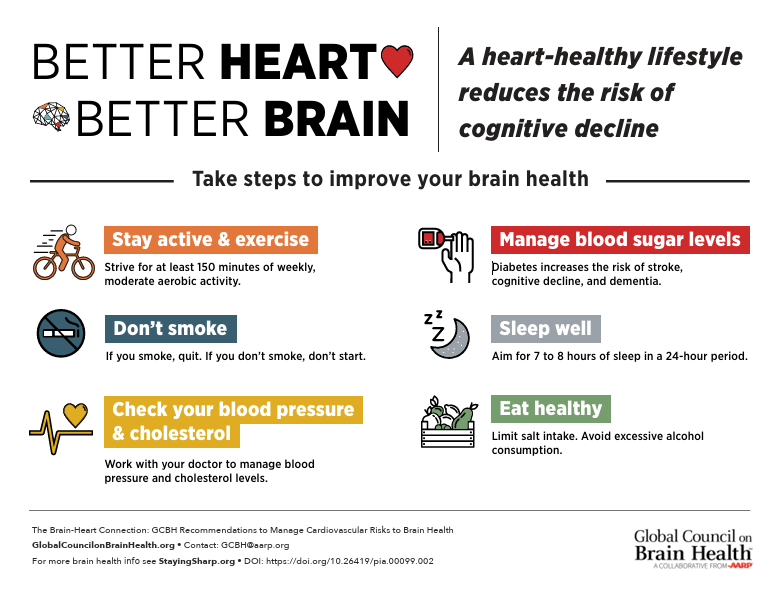
The most anticipated news at this year’s conference was the release of results from the U.S. POINTER study. This national trial, the first of its kind in the United States, tested whether lifestyle changes could protect brain health in older adults. The study followed participants ages 60–79 who took part in a program combining regular exercise, a heart-smart diet, and activities to keep their minds active.
The outcome was striking: participants showed clear improvements in memory and thinking abilities. Even more remarkable, these gains were on par with the benefits seen in some drug treatments—powerful evidence that lifestyle choices can truly make a difference for brain health.
👉 Learn more about the POINTER study and other breaking news at the AAIC meeting by visiting the Alzheimer’s Association website.
The Power of Volunteers
For us at the Duke/UNC ADRC, one especially timely session focused on participant registries—lists of people who are open to learning about research opportunities.
The message was clear:
Research-ready volunteers help studies get off the ground faster.
Local registries, close to the research teams, are especially effective.
And having local participants means studies better reflect the real-world mix of people and situations where new treatments will be used.
This year we also introduced our own registry: the ADD-ME Roster, named with a nod to our basketball tradition. Here’s how it works: First, community members sign up to be on the roster; then when a new study opens, our researchers can reach out to see if you’d like to take part.
👉 Learn more about the ADD-ME Roster on the ADRC website.
Why it Matters for You
These updates are exciting because they show that progress is happening on many fronts—from lifestyle changes that protect brain health to research studies that need community volunteers. Whether it’s taking a daily walk, trying a heart-smart recipe, or signing up for a study, each of us can play a role in moving this work forward.
Event Spotlight
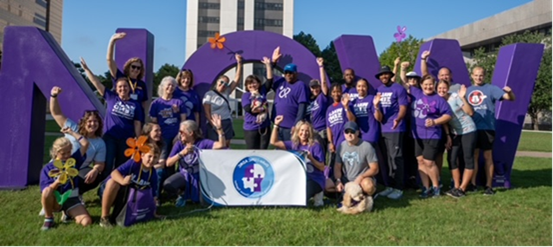
Walk to End Alzheimer’s – Join the ADRC Blue Heel Walkers
Saturday, October 4, 2025 | Halifax Mall, 300 N. Salisbury Street Raleigh, NC 27603
You’re warmly invited to walk with us at the Triangle Area Walk to End Alzheimer’s on Saturday, October 4th in Raleigh.
Join our Blue Walkers team to raise awareness and funds (optional). Can’t attend? You can still make an impact by donating or sharing information about the walk.
Last year we had a wonderful turnout—some brought family, others brought dogs, and everyone brought their passion to make a difference.
More details before long. For now, please save the date: October 4th and consider joining our team.
UpdateS in Research
New Partnership to Advance Alzheimer’s Research in NC
BrightFocus Foundation and Dementia Alliance of North Carolina (DANC) are partnering to support innovative Alzheimer’s research at UNC–Chapel Hill. Together they will fund a $300,000, three-year grant to Dr. Todd Cohen and his team, who are studying how a protein called CHIP/STUB1 might block harmful tau buildup in the brain. This work could open new paths toward gene therapy treatments for Alzheimer’s.
“This partnership is a meaningful step forward for families in North Carolina and beyond,” said Lisa Levine, Senior Director of Programs at DANC.
Alzheimer’s Research Big Picture
Research on Alzheimer’s disease and related dementias takes many forms. Some studies involve people—testing new treatments, prevention strategies, or ways to improve care and support. Others happen in laboratories, where scientists study cells, genes, and brain processes to better understand the disease. The federal government is a major funder of this work, supporting research across both areas to help prevent, treat, and improve life with dementia.
Click here to learn more about types of research, challenges for researchers, how funding is prioritized and more.
Brain Health
Watch the following video to learn about the role that genetics plays in Alzheimer’s disease.
Please enable “Advertisement cookies” to view this video
Caregiver Connections: Emerging Diagnostic Tools for Dementia
Monday, September 29, 2025 | 1PM | Virtual
Presented by Dr. Daniel Parker, Duke Memory Disorders Clinic
Hosted by the Duke Dementia Family Support Program, this event will give family caregivers the opportunity to learn about the latest advances in blood tests and brain imaging that are changing how dementia is diagnosed. This session will help family caregivers understand what these emerging tools can (and can’t) tell us, and what they might mean for early detection and care planning.
Helpful or Harmful: New Study Looks at the Impact of Technology Use on Cognition
Smartphones and technology are ubiquitous in nearly every aspect of our lives, but is technology helping or hurting us when it comes to memory and cognition? Dr. Jared Benge, neuropsychologist and associate professor from the University of Texas at Austin, joins the podcast to discuss his research into how technology and smartphone use impacts the brain, how digital technology can be used to help individuals with cognitive impairment and what his findings mean for the future.
Guest: Jared Benge, PhD, ABPP, clinical neuropsychologist, Comprehensive Memory Center, UT Health Austin, associate professor, Dell Medical School, University of Texas at Austin
The Dementia Matters podcast helps the listener stay informed on the latest advancements in Alzheimer’s research and caregiving. Creator and host Dr. Nathaniel Chin, part of the University of Wisconsin ADRC, regularly interviews leading scientists and caregiving experts to bring listeners the latest in Alzheimer’s disease news, research and caregiver resources.
Access all Dementia Matters episodes in the places you find podcasts or from their website: Dementia Matters!