All Hands Science Talk, November 2026
Internal ADRC Meeting
10:00am
View Event
News

In this issue…
GLP-1 medications and brain health, spotlight on artist and ADRC Appreciation Event speaker Susan Sidebottom, research on cognitive reserve, upcoming events and more.
Most people are familiar with the connection between physical health and brain health. “What is good for the heart is good for the head!” has become a popular slogan, encouraging people to adopt healthy habits—such as eating a healthy diet, staying physically active, and managing cardiovascular risk factors—to reduce the risk of both heart disease and dementia later in life.
As more people turn to medications like Ozempic, Wegovy, and other GLP-1 (glucagon-like peptide-1) drugs to treat diabetes and obesity, it is natural to wonder whether these medications might also benefit brain health and help protect against diseases such as Alzheimer’s disease (AD). GLP-1 medications were originally developed to treat type 2 diabetes and are now widely used to help manage blood sugar levels and support weight loss.

The Duke/UNC ADRC is excited to introduce artist Susan Sidebottom to our community. Through her deeply personal and experience-informed photography, Susan explores memory, caregiving, and the lived experience of Alzheimer’s disease—offering a powerful new way to understand the dementia patient experience.
On May 15, 2026, researchers, clinicians, trainees, and staff from across North Carolina gathered at the UNC Friday Center in Chapel Hill for the 4th Annual Duke/UNC Alzheimer’s Disease Research Center (ADRC) SLAM‑DUNC Symposium—the Symposium for Learning about Alzheimer’s Disease‑related Medical Research at Duke & UNC
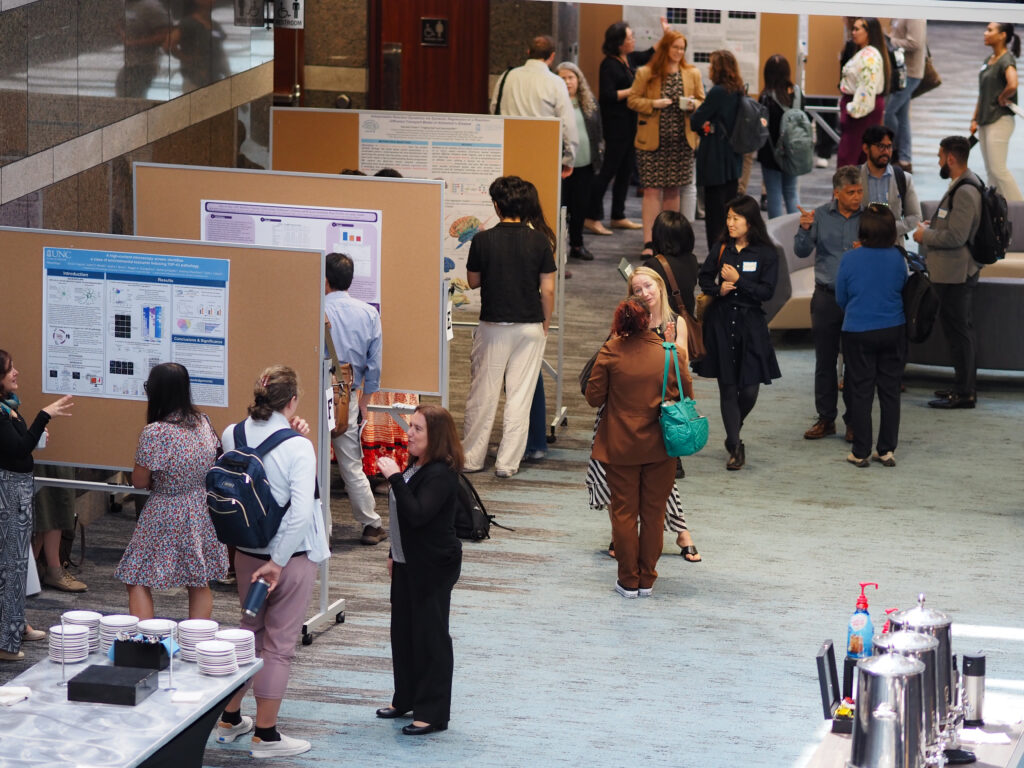
Hosted by the Duke/UNC ADRC Research Education Component (REC), SLAM‑DUNC continues to serve as a cornerstone event for fostering cross‑institutional collaboration and highlighting cutting‑edge research in Alzheimer’s disease and related dementias (AD/ADRD). The annual symposium brings together investigators at all career stages, from trainees to senior faculty, to share discoveries, build networks, and accelerate progress in brain health research.
A recent study published in the journal Neurology found that people who experienced the highest levels of lifelong cognitive enrichment—including reading, writing, learning languages, using libraries, and engaging in other intellectually stimulating activities—had a 38% lower risk of Alzheimer’s disease and a 36% lower risk of mild cognitive impairment compared with those who had the lowest levels of cognitive enrichment. Among nearly 2,000 older adults followed for an average of eight years, those with the most cognitively enriching experiences developed Alzheimer’s disease about five years later and mild cognitive impairment about seven years later than those with the least enrichment. The findings support the concept of “cognitive reserve,” suggesting that mentally stimulating activities throughout life may help the brain remain resilient even in the presence of Alzheimer’s-related changes.
New Study Shows Americans Care About Brain Health but Most Don’t Know How to Maintain It
Included in the Alzheimer’s Association’s 2026 Alzheimer’s Disease Facts and Figures report is a survey of more than 3,800 U.S. adults ages 40 and older. The majority said they worry about Alzheimer’s disease and other dementias, but far fewer understand how everyday behaviors may help reduce risk and support brain health.
June 24, 2026 | 1PM EST
Speaker: Emmy Betz, MD, PhD
This informative webinar will provide an overview of firearm ownership among older adults, firearm-related risks in dementia, and practical options and resources for older adults, care partners, and clinicians.
August 6, 2026 | 10:30am
Cornelia Poer, LCSW, MSW, will present on Navigating Communication Challenges as a Care Partner
September 29, 2026 | 2PM
Dr. Milta Little will present on LATE (Limbic-predominant TDP-43 Encephalopathy)
This FREE event presented by The Mama Joe Project and GeriatRx, this 2 hour event provides connection to information and resources in support of caregivers to promote healthy aging and improve outcomes for individuals and families navigating Alzheimer’s, dementia and related chronic conditions. Includes a screening of the documentary film My Mama Joe, Hope & Help which explore the family dynamics of caregiving for a loved one living with Alzheimer’s dementia. Q & A with panel of experts after the film.
Unpacking the U.S. POINTER Study
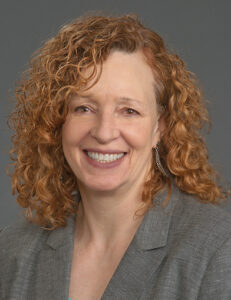
The U.S. POINTER study is one of the first large-scale, randomized controlled clinical trials to focus on how lifestyle interventions impact dementia risk and cognitive decline. On a special bonus episode of Dementia Matters, Dr. Laura Baker joins the podcast to explain how the clinical trial came to be, what it found and what the next chapter of lifestyle intervention research and clinical trials looks like.
Guest: Laura Baker, PhD, professor, Gerontology and Geriatrics, Wake Forest University School of Medicine, principal investigator, U.S. POINTER Study
The Dementia Matters podcast helps the listener stay informed on the latest advancements in Alzheimer’s research and caregiving. Creator and host Dr. Nathaniel Chin, part of the University of Wisconsin ADRC, regularly interviews leading scientists and caregiving experts to bring listeners the latest in Alzheimer’s disease news, research and caregiver resources.
Access all Dementia Matters episodes in the places you find podcasts or from their website: Dementia Matters!
Check out these other recent episodes:
The importance of Early Dementia Detection and Diagnosis
Navigating Difficult Conversations about Driving and Dementia

