All Hands Science Talk, November 2026
Internal ADRC Meeting
10:00am
View Event
News

In this issue…
Learn about the Black Men’s Brain Health Conference, celebrate the Memory & Aging study’s enrollment news, get tips for the holidays, try out a new tool to track and improve brain health habits and more!


As Super Bowl week approaches, Dr. Robert W. Turner II—former professional football player, medical sociologist, and Duke-UNC ADRC leader—is once again helping lead a national effort to elevate brain health in communities often left out of research. Now in its fifth year, the Men’s Brain Health Initiative brings together more than 30 organizations to promote brain wellness and early detection, especially among athletes and Black men, who face higher risks of cognitive decline and are underrepresented in Alzheimer’s studies.
A centerpiece of this work is the Black Men’s Brain Health Conference (BMBHC), taking place February 1–6, 2026, at Merritt College in Oakland, but also open to remote participation available by videoconference. Built around the theme “community engagement from a community perspective,” the conference brings researchers, community leaders, students, and former NFL players together to highlight innovative, community-driven solutions. Notable attendees include former and current NFL players: Ken Harvey, Spencer Tillman, Tarik Glenn, Aaron Taylor (CBS Sports), Pro Football Hall of Famer Will Shields, and others.
This conference is particularly important because progress in brain health depends on trust, representation, and ensuring that research reflects and benefits every community. By elevating lived experience and broadening who takes part in these conversations, Dr. Turner and his partners are helping reshape the future of Alzheimer’s research and care.
Registration is now open: https://bit.ly/BMBHC2026
Thanks to the dedication of our research community, we’ve reached an exciting milestone: 420 participants enrolled! After four years of welcoming new volunteers, we’ve met our enrollment goal, and we are deeply grateful to each of you who chose to join us.
This is a longitudinal study that follows participants over many years to help researchers understand how memory and brain health change across the lifespan. Because Alzheimer’s disease develops slowly—often over decades—studies like this depend on long-term participation.
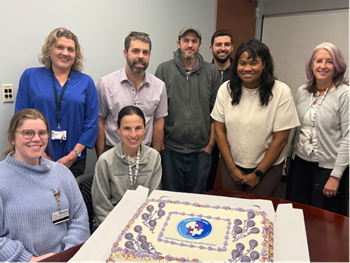
We appreciate your continued time, trust, and commitment to research you continue to give. Your partnership makes this work possible.
Thank you!
Alzheimer’s disease affects memory and thinking, but also mood and can contribute to anxiety and depression. A recent study published in Neuron and led by UNC School of Medicine’s Juan Song, PhD, focused on two distinct groups of brain cells in a region called the supramammillary nucleus (SuM) located in the posterior hypothalamus – a small region deep in the brain. One group helps regulate memory, while the other influences emotional responses. While examining Alzheimer’s model mice, researchers discovered these two circuits do not function properly, but when the team used light-based stimulation to activate each pathway, they were able to restore memory or emotional function separately.
The Remember Balloons
Wednesday, January 28, 2026 at 1PM
Carolina Theater of Durham, 309 W. Morgan St., Durham
This dance performance based on the 2018 children’s book The Remember Balloons tells the story of a grandchild coming to terms with his grandfather’s dementia.
Hosted by the Carolina Theater of Durham.

The winter holidays are a time of warmth and togetherness, but for families caring for someone with dementia, they can also bring a mix of joy, stress, and grief. Some familiar activities may no longer be possible—or may now require much more effort. Travel may be unrealistic, large gatherings upsetting, and traditions disappointing when your family member can’t participate as they once did. Comparing “this year” with “how things used to be” can intensify stress and feelings of loss.
At the same time, holiday demands—decorating, cooking, shopping—disrupt the predictability that helps a person with dementia feel secure. Changes in routine, holiday décor, and the expectation to “make the holidays special” can contribute to agitation or fatigue and leave caregivers emotionally and physically drained
There’s no shortage of advice on navigating the holidays as a caregiver, but here are a few especially thoughtful and practical resources:
Author Carol Bursack shares tips from her own caregiving journey in Caregiving During the Holidays: Have a Realistic, Positive Approach. One suggestion you may not have considered: letting family members know in advance that your time and energy are somewhat limited rather than hoping they’ll simply pick up on it. Setting expectations early can ease pressure on everyone.
In a Caregiver’s Holiday Survival Guide Anne Tumlinson, the founder of the Daughterhood community for caregivers, describes different strategies to help “survive the holidays.” Tomlinson suggests creating new rituals that acknowledge both the joy and the grief of the season.
The Alzheimer’s Foundation of America provides practical safety and planning guidance in Six Tips to Celebrate the Holidays with Someone Living with Dementia. One particularly helpful recommendation is to ensure there’s a quiet, comfortable space where your family member can retreat if the festivities become overwhelming.
Although this article focuses on caregivers, the voices of people living with dementia are equally important. The National Council of Dementia Minds offers firsthand perspectives in Celebrations and Dementia, highlighting the challenges people living with dementia experience this time of year and how families can best support them.
No holiday article would be complete without a mention of gifts. If you’re still shopping for Hanukkah or Christmas, there are some wonderful ideas for both loved ones with dementia and for caregivers. The Holiday Gift Guide for Dementia from Being Patient is thoughtfully organized by stage of dementia and includes gifts that entertain, soothe or keep a person safe. In Gifting the Caregiver, you’ll see many meaningful options, with an appropriate emphasis on gifts of time and practical help.
We hope these resources help you feel a bit more prepared for the holidays and comforted knowing that many others share similar challenges at this time of year. You are not alone. To speak with a social worker about caregiving or living with dementia, contact the Duke Dementia Family Support Program at 919-660-7510 or DDFSP@duke.edu.
Healthy habits can help you live better now and protect your memory and thinking as you get older. The Alzheimer’s Association Brain Health Habit Builder is a free online tool to check your current habits — like physical activity, diet and sleep — and make a plan to protect your brain.
A series of six, three-hour virtual lectures designed to improve caregiver understanding of different aspects of dementia care.
Hosted by MemoryCare Inc. Please note all times listed for events and educational opportunities are EST.
Attorney Nichole Hatcher, Hatcher Legal PLLC
Duke Dementia Family Support Program partners with experts in the fields of caregiving and dementia to offer the Caregiver Connections webinar series. If you cannot attend the live event, webinars are recorded and links added to the Caregiver Connections webpage after the webinar has concluded. No registration necessary!
Click THIS LINK to access the Zoom presentation OR join by phone
646-876-9923, meeting ID: 965-7747-1018, password: 3513

Why one man with a genetic predisposition for Alzheimer’s disease is defying the odds
Nearly 7 million Americans currently live with Alzheimer’s and experts expect that by 2060 that number could be as high as 14 million. Scientists are trying to find out how one man has been able to stave off Alzheimer’s for 25 years, despite having a rare genetic mutation that, doctors say, essentially guaranteed he’d develop the disease.
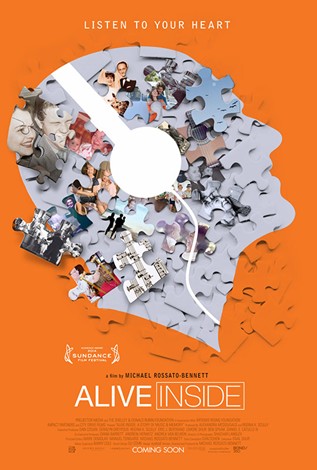
This 2014 film is worth discovering at any time. Alive Inside, which won the Audience Award at Sundance in 2014, is a moving and eye-opening documentary about the power of music to reach people living with dementia, even within a health-care system that doesn’t always meet their needs.

